Henrik Butler · 29 October 2026
Community Mobilization Efforts Against Proposed Institutional Consolidations in Education Sector
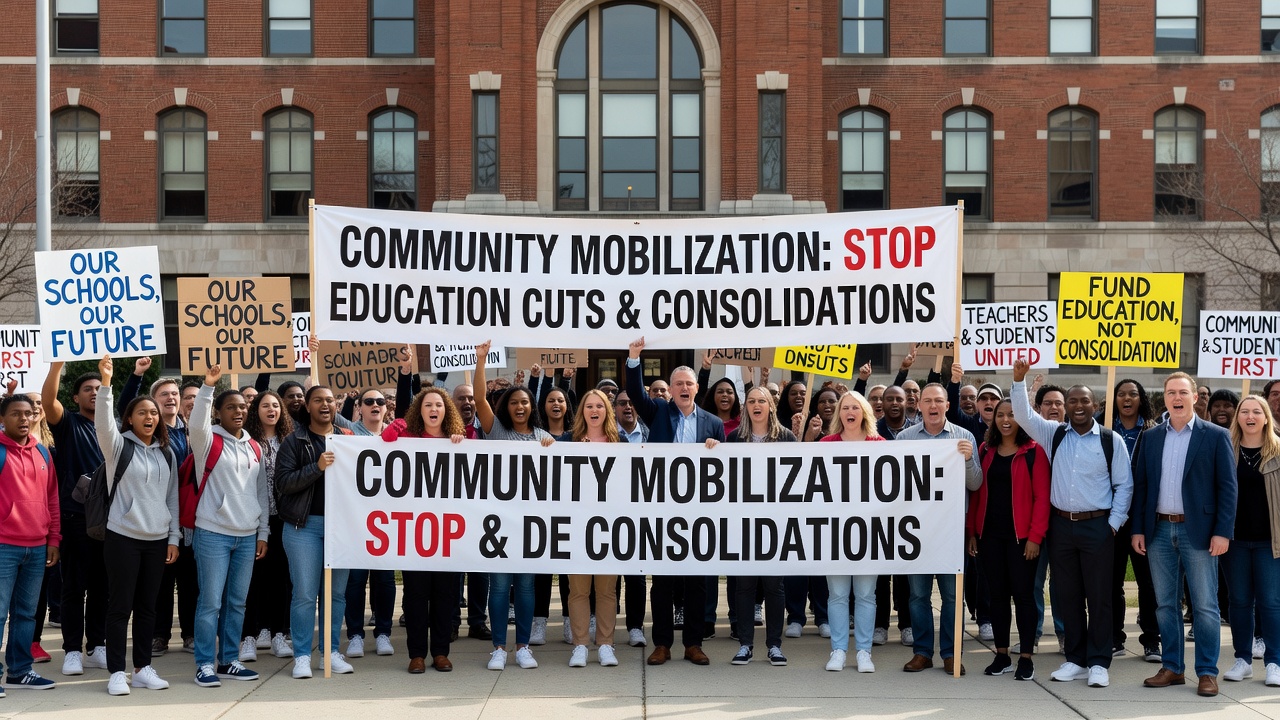
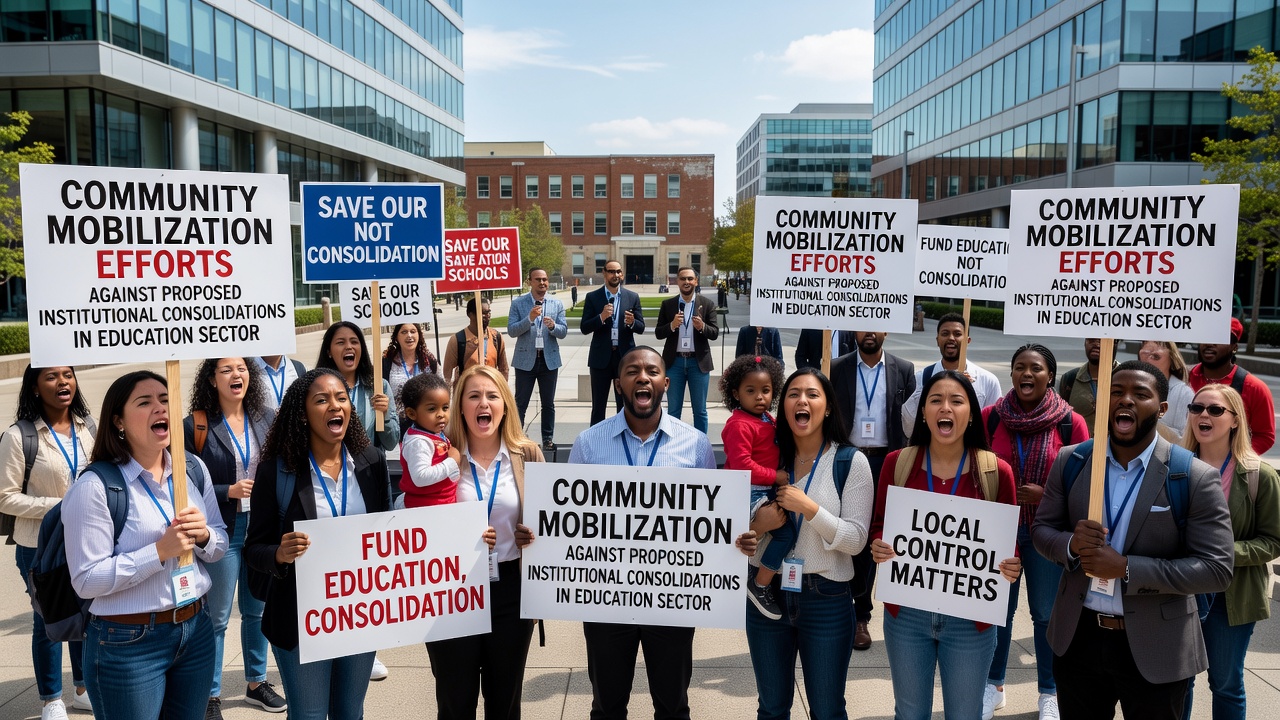
Communities across multiple regions have organized sustained campaigns to oppose plans that would merge or close smaller educational institutions in favor of larger centralized facilities, and these efforts gained momentum throughout 2025 and into October 2026 as districts faced ongoing budget pressures.
School boards and regional authorities often cite declining enrollment numbers along with rising operational costs as reasons for consolidation proposals, yet residents in affected areas have formed coalitions that coordinate petitions, public forums, and legal reviews to challenge those decisions.
Background on Consolidation Proposals
Education administrators in various districts have advanced consolidation plans since the mid-2010s, and data from national education agencies show that rural and suburban schools with fewer than 300 students face the highest risk of closure or merger. Research indicates enrollment drops in some areas reached 12 percent between 2018 and 2024, while per-pupil funding formulas favor larger institutions that can achieve economies of scale.
Officials in the United States Department of Education have published reports noting that consolidations can redirect savings toward technology upgrades and expanded course offerings, whereas critics among parent groups argue that longer commutes and loss of local identity outweigh those benefits. Similar patterns appear in European Union member states where demographic shifts prompted reviews of primary and secondary school networks.
Forms of Community Organization
Local residents have established working groups that collect signatures, host information sessions, and submit formal objections during public comment periods, and these groups frequently partner with teachers' unions and civic organizations to amplify their reach. In one documented case from a Midwestern district, volunteers mapped bus routes to demonstrate that proposed mergers would increase average student travel time by 45 minutes each way.
Digital platforms have accelerated coordination, allowing supporters to share updates, draft template letters to legislators, and livestream meetings that draw hundreds of remote participants. Observers note that turnout at protest events held in October 2026 exceeded previous years in several locations, reflecting heightened awareness after earlier rounds of closures reduced access to after-school programs.
Legal and Policy Challenges
Advocacy networks have pursued court filings that question whether consolidation processes comply with state education codes and environmental review requirements, and several suits have resulted in temporary injunctions that delay implementation. Australian education authorities, for instance, have faced parallel scrutiny from community coalitions citing equity provisions in national schooling agreements.
Legislative hearings in multiple jurisdictions have featured testimony from families who describe how merged schools erode neighborhood ties, and data compiled by academic researchers at institutions such as the University of Toronto show correlations between school closures and reduced parental involvement in extracurricular activities. Those findings have been referenced in policy briefs circulated among elected officials.
Outcomes Observed Through October 2026
Some districts scaled back original consolidation targets after sustained public pressure, while others proceeded with phased mergers that incorporated community input on transportation and facility use. Figures released by provincial education ministries in Canada reveal that 18 percent of proposed closures scheduled for 2026 were deferred following resident campaigns.
Coalitions have also shifted focus toward long-term prevention by advocating for revised funding formulas that support smaller schools, and collaborative models such as shared administrative services have emerged as alternatives in several regions. Experts tracking these developments report that hybrid approaches preserve local access while addressing fiscal constraints.
Conclusion
Community mobilization against institutional consolidations in the education sector continues to influence policy timelines and decision frameworks as residents leverage data, legal avenues, and collective action to shape outcomes. Reports from organizations including the OECD highlight ongoing debates over the balance between efficiency and localized schooling, and patterns observed through October 2026 suggest these efforts will remain active in districts evaluating future structural changes.