Freya Ludwig · 17 September 2026
Unexpected Heritage Discoveries in Commercial Zones Prompt Reevaluation of Excavation Protocols During Routine Maintenance Projects
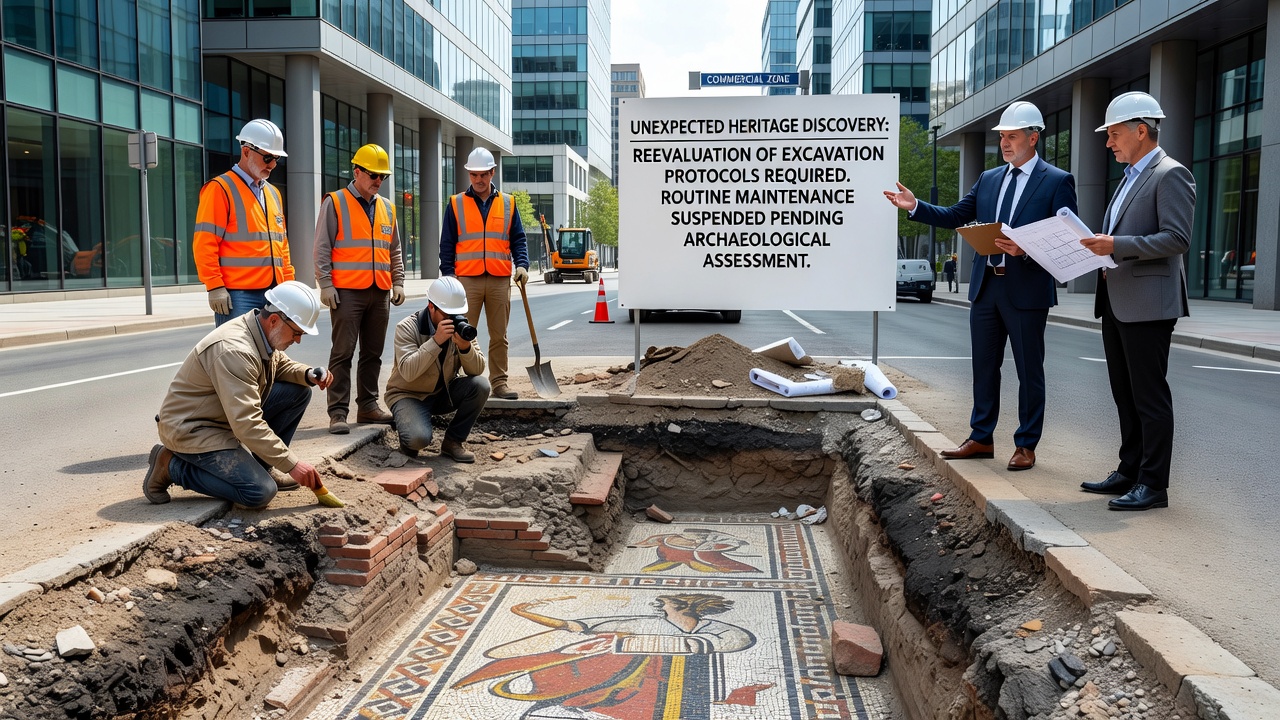
Commercial districts across several regions have seen a rise in heritage finds during ordinary maintenance work, and these encounters have pushed planning authorities to adjust how crews handle digging permits and on-site procedures. Data from heritage agencies shows that routine tasks like utility upgrades and pavement repairs now intersect more frequently with protected layers of older settlements, and the pattern has led organizations to issue updated guidance on preliminary surveys.
Recent Cases Highlight Shifting Patterns
One project in a mid-sized business park uncovered foundations from an 18th-century warehouse complex while crews replaced storm drains, and the discovery halted operations for six weeks while specialists documented the site. Similar interruptions occurred when fiber-optic installations in retail zones revealed pottery shards and structural remains from earlier industrial activity. Observers note that these finds cluster in areas where commercial development expanded rapidly after the 1950s, often overlaying older trade routes or settlement edges that records had not fully mapped.
Researchers at regional heritage offices compiled records showing that between 2023 and 2025 the number of reported incidental discoveries during maintenance rose by 27 percent compared with the previous decade. The increase appears tied to denser utility networks and deeper excavation depths required for modern infrastructure upgrades. Those reviewing the data point out that commercial zones, once considered low-risk for heritage material, now require the same level of advance assessment previously reserved for residential redevelopment sites.
Protocol Adjustments Underway
Local councils and infrastructure contractors have begun incorporating mandatory geophysical scans and desktop archaeological assessments before any ground disturbance in designated commercial corridors. The new steps include consultation with county archivists within 14 days of permit applications, and crews receive training on recognizing common artifact types such as brickwork patterns or glazed ceramics. In September 2026 several planning departments plan to roll out a shared digital reporting platform that flags high-probability zones based on historical maps and past find locations.
Figures from the Australian Department of Climate Change, Energy, the Environment and Water indicate comparable adjustments in commercial precincts where routine pipe replacements intersected with Aboriginal cultural material. Australian heritage guidelines now recommend staged monitoring rather than blanket stop-work orders, allowing limited continuation of works while specialists recover and record items. European counterparts have adopted parallel measures; the European Archaeological Council published a 2025 position paper that encourages risk-mapping tools tailored to post-industrial business districts.
Impact on Project Timelines and Costs
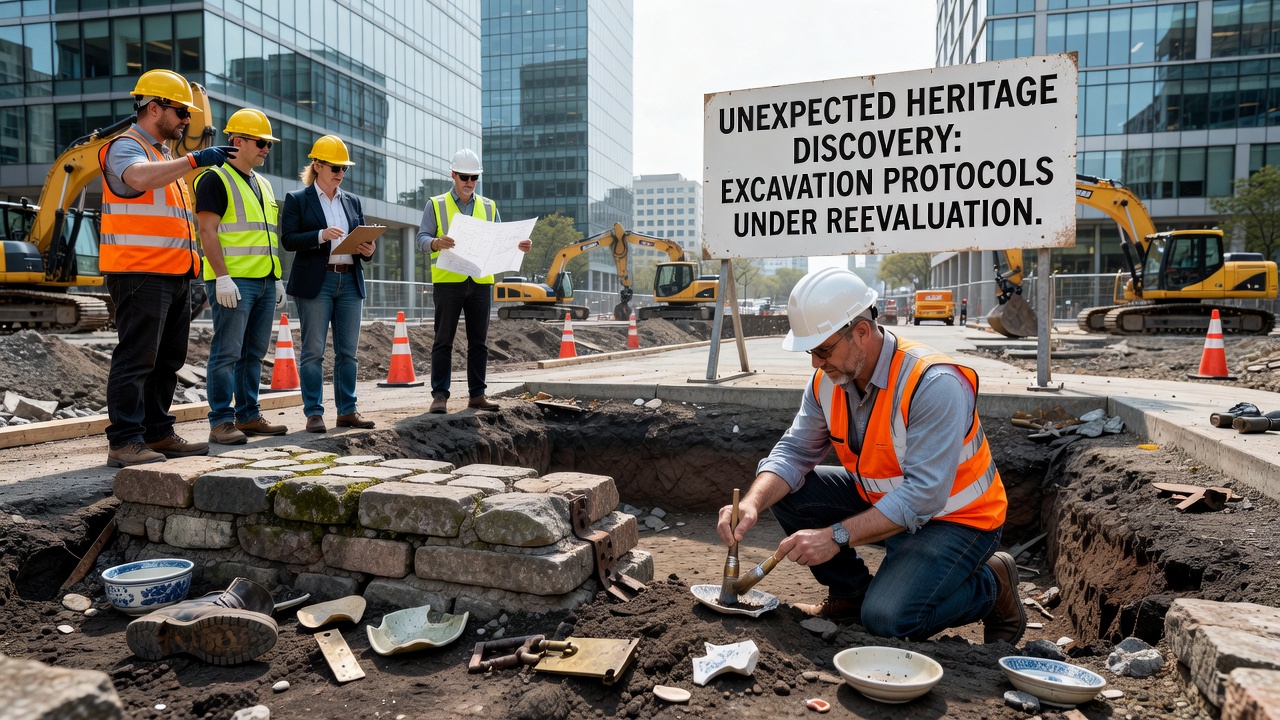
Contractors report that initial assessments add between three and eight days to standard maintenance schedules, yet the added step reduces the likelihood of extended shutdowns once work begins. Insurance providers have started offering premium reductions for firms that adopt the revised protocols, citing lower exposure to unplanned delays. One study by the University of Sydney's heritage management program tracked 42 commercial-zone projects and found that preemptive surveys cut overall project overruns by an average of 19 percent compared with sites that relied solely on reactive responses.
Industry groups such as the Chartered Institute for Archaeologists have circulated model clauses for maintenance contracts that allocate contingency budgets specifically for heritage contingencies. These clauses specify that any finds must be reported within 48 hours and that work pauses only in the immediate discovery area rather than across the entire site. The approach mirrors recommendations issued by the U.S. National Park Service for historic preservation reviews on federal lands, where phased evaluation keeps essential services operational while documentation proceeds.
Training and Technology Integration
Equipment suppliers now market compact ground-penetrating radar units sized for utility trenches, and several municipalities have purchased units for shared use among maintenance teams. Training modules developed by the Institute of Conservation combine classroom sessions on artifact identification with field simulations of typical commercial-zone stratigraphy. Participants learn to distinguish modern fill from earlier deposits using color, texture, and inclusion patterns rather than relying on visual recognition of whole objects alone.
Digital mapping initiatives are also expanding. Heritage bodies in Canada and New Zealand have released open datasets that overlay historic land-use layers onto current commercial zoning maps, allowing planners to flag risk areas before permits reach the application stage. These resources reduce reliance on last-minute archival searches and give contractors clearer expectations about potential constraints.
Conclusion
Maintenance projects in commercial zones continue to intersect with heritage material at higher rates than previously anticipated, and the resulting protocol revisions reflect coordinated input from regulatory agencies, contractors, and academic researchers. Updated assessment requirements, shared data platforms, and targeted training programs now form the baseline for work in these districts. The changes aim to balance the need for timely infrastructure repairs with the preservation of material evidence from earlier periods of occupation and trade. As September 2026 approaches, several jurisdictions expect to publish consolidated performance metrics that will show whether the revised procedures have shortened response times while maintaining documentation standards.