Jakob Klein · 12 November 2026
Volunteer Networks Driving Shifts in How Neighborhood Events Get Documented and Shared
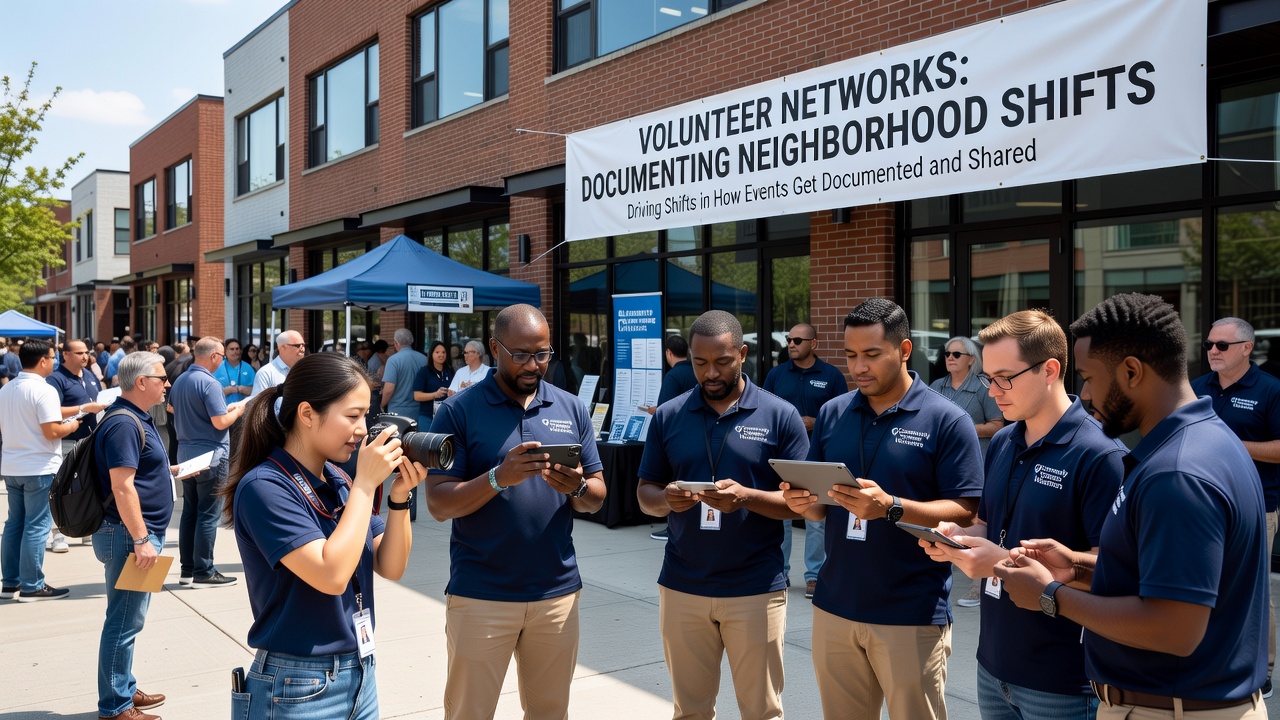
Neighborhood events once relied on local newspapers and official bulletins for coverage, yet volunteer networks now handle much of the documentation and distribution through coordinated digital platforms. These groups consist of residents who record gatherings such as street fairs, town meetings, and seasonal markets, then share the material via apps, social media channels, and community websites. Data from national surveys indicate that participation in such networks has increased steadily since 2020, with figures revealing higher rates of real-time uploads compared to traditional outlets in several regions.
Expansion of Coordinated Volunteer Efforts
Researchers at multiple universities have tracked how volunteers form structured teams to cover events that previously received limited attention. One study revealed that these teams often divide tasks so some members photograph while others write summaries or verify details before posting. The approach allows coverage to reach residents who miss live events, and it connects directly to broader civic participation records maintained by government agencies. In November 2026, several networks plan synchronized documentation drives around regional harvest festivals, building on patterns observed in prior years where shared archives grew by measurable percentages.
Observers note that platforms designed for local sharing reduce dependence on centralized media organizations. Volunteers use open-source tools to tag locations and dates, which creates searchable records that persist beyond initial posts. This method differs from earlier practices where single journalists produced one article per event, whereas now multiple contributors generate layered content including video clips and attendee interviews.
Technology Integration and Data Patterns
Smartphone applications and cloud storage services enable volunteers to upload material within minutes of an event occurring. Statistics Canada reports on community engagement show corresponding rises in digital volunteering hours, particularly in suburban and rural districts where formal newsrooms have scaled back operations. These records demonstrate that networks in different provinces coordinate across time zones to ensure continuous coverage, and the resulting datasets support analysis of attendance trends over multiple seasons.
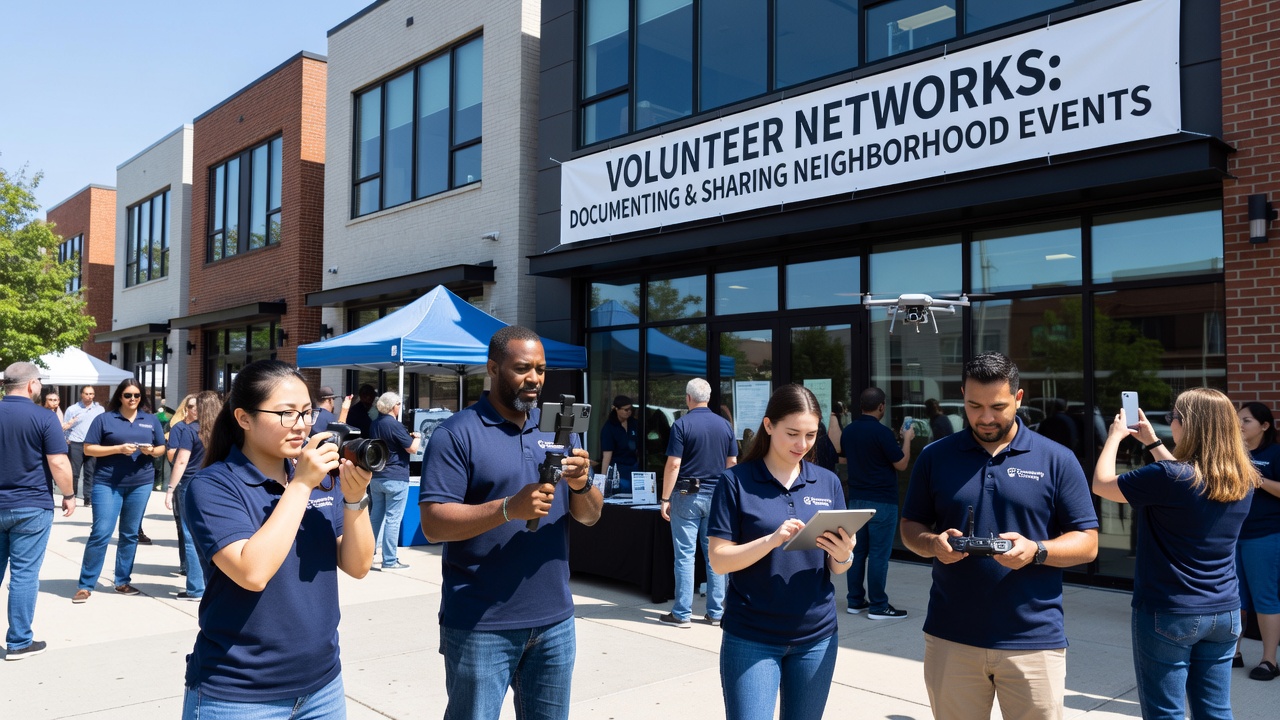
What's interesting is how verification steps built into many networks maintain factual standards. Participants cross-check timestamps and locations against public calendars before finalizing posts, which reduces misinformation risks. Academic papers from institutions in Australia and the European Union have examined similar systems and found that volunteer-led archives often contain more granular detail than official summaries because contributors live within the neighborhoods they document.
Effects on Local Information Access
Residents gain faster access to event recaps when volunteer networks operate, and this accessibility extends to archived materials that span several years. Government statistical agencies in the United States have documented parallel growth in civic technology usage, noting that communities with active networks report higher rates of resident awareness about upcoming local activities. The shift also influences how event organizers plan publicity, since they now distribute materials directly to volunteer coordinators rather than relying solely on press releases.
One case involved a network in a mid-sized Canadian city that compiled multi-year records of market events, allowing researchers to identify changes in vendor participation and foot traffic. Such collections serve practical purposes for planning committees that consult the data when scheduling future gatherings. Yet challenges remain around consistent participation, as networks depend on volunteers who balance these duties with other responsibilities.
Future Developments and November 2026 Outlook
Projections based on current enrollment trends suggest continued growth through late 2026. Organizers in several districts intend to launch training modules that teach new volunteers standardized tagging and metadata practices, which would improve searchability across platforms. These initiatives draw on guidelines from international research bodies focused on community information systems, ensuring compatibility with existing public data repositories.
Evidence suggests that integration with municipal open-data portals will expand, letting volunteer content supplement official records without replacing them. This layered approach preserves multiple perspectives while maintaining public access to primary materials.
Conclusion
Volunteer networks continue to reshape documentation practices for neighborhood events through systematic recording and digital distribution. National statistics and academic analyses confirm measurable increases in coverage volume and detail, while coordinated efforts scheduled around November 2026 events indicate sustained momentum. The resulting archives provide residents and researchers with accessible records that evolve alongside community activities.